0
0
 0
0
If you’re hunting for the Top Wearable Tech You Should Buy Today, this guide will help you separate the genuinely useful gadgets from the gimmicks. Wearables have matured: they now blend durable hardware, reliable sensors, and software that actually helps you make better decisions about health, productivity, and safety. I’ll walk through the categories worth your attention, practical buying tips, and a shortlist of devices that deliver real value without demanding a tech degree to use.
Why wearables matter now
Sensor accuracy and battery life improved markedly in recent years, and software has finally caught up to give those sensors purpose. That means devices no longer feel like toys; they can track sleep stages, daily stress, and long-term fitness trends with useful fidelity. For many people, a wearable becomes the interface between intention and action—nudging exercise, improving sleep, or simplifying how you interact with your phone.
Beyond personal health, wearables are making work and travel easier. From hands-free notifications while biking to discreet safety alerts for lone workers, the right device can reduce friction in your day. I’ve found small conveniences—like quick replies from a wristwatch—stack up to big time savings over months.
Smartwatches: the most versatile choice
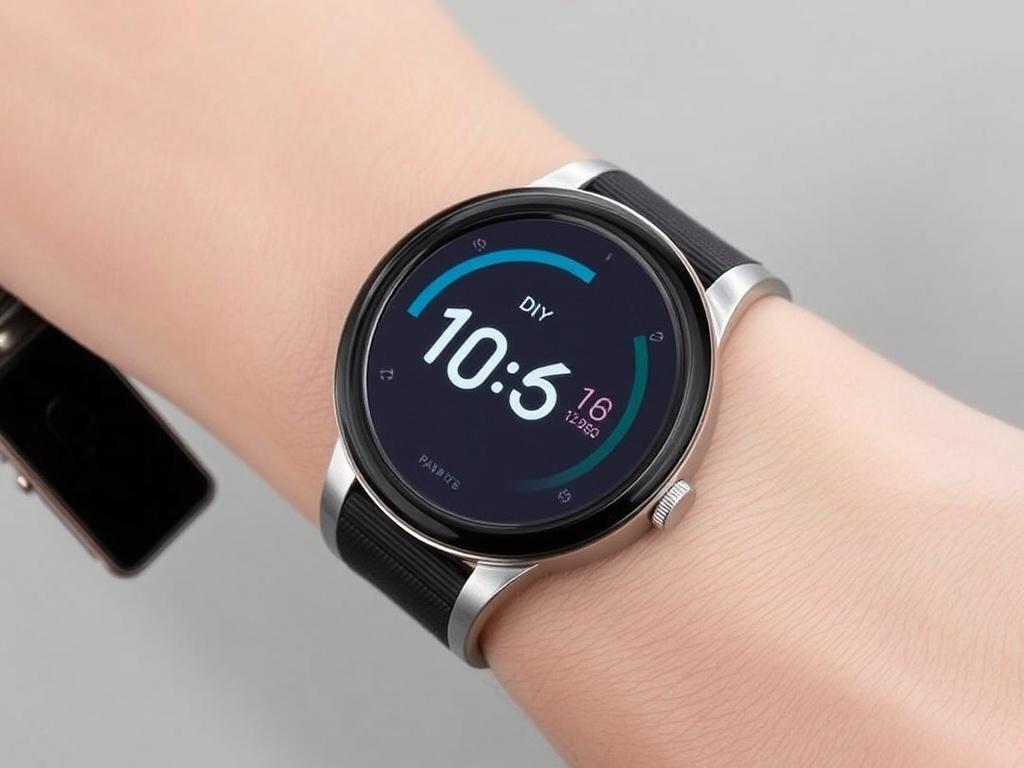
Smartwatches are the Swiss Army knives of wearable tech: notifications, payments, maps, and health tracking bundled on your wrist. If you want one device that does a little bit of everything well, a modern smartwatch is the most practical purchase for most people. Look for models with solid app ecosystems, reliable heart-rate sensors, and multi-day battery life if you dislike daily charging.
For runners and outdoor users, GPS accuracy is essential; casual users can prioritize design and third-party apps. Battery life varies: some models last a single day but offer more features, while hybrid watches trade a touchscreen for weeks of endurance. I personally wear a watch that balances battery and features—it’s the device I rarely take off because it reliably handles calls, maps, and sleep tracking.
Fitness trackers: focused, affordable, and light
Fitness trackers strip away non-essential features and focus on health metrics, battery endurance, and comfort during sleep. They’re ideal if your priorities are accurate step counts, heart-rate monitoring, and long-term activity trends without the bulk of a smartwatch. Many modern trackers also offer SPO2 readings and basic GPS, either built-in or via connected GPS from your phone.
Because trackers are lighter and cheaper, they make excellent gifts and are a low-risk way to begin monitoring health metrics. If you plan to wear a device 24/7, comfort, strap materials, and reliable companion apps matter more than a glossy face. I own a tracker I forget on my wrist; it’s the best sign a wearable suits a busy life.
True wireless earbuds with health features
Earbuds have become wearables in their own right: beyond sound they can measure body temperature, detect motion, and monitor stress through voice patterns. High-end models offer noise-canceling that preserves focus and ambient modes that keep you aware of surroundings, which is useful for commuting. For athletes, sweat-resistant buds with secure fit and low-latency codecs are the minimum.
Health-focused earbuds are particularly useful for people who don’t like wrist devices or need unobtrusive monitoring. They also double as excellent companions for calls and media, making them a practical multitasker. My experience shows the best earbuds are the ones that balance comfort with consistent connectivity and long battery cycles between charges.
Smart rings and advanced sleep trackers
Smart rings offer subtle monitoring with impressive battery life and accuracy for sleep and recovery metrics. Their small profile means minimal interference with daily life and often better sleep fidelity than wrist devices. If sleep improvement is your primary goal, a focused sleep tracker can reveal patterns that a watch might miss, like micro-awakenings or temperature-related disturbances.
Wearable rings are less about notifications and more about long-term data. They provide a clean, low-friction way to track readiness and recovery without the temptation to constantly check your stats. Early on I relied on a ring to fine-tune my sleep schedule, and the resulting insights made measurable differences in daytime energy.
Wearables for safety and specialized work
Certain professions or hobbies call for tailored wearables: location beacons for hikers, fall-detection pendants for older adults, or rugged smartwatches for construction workers. These devices often sacrifice sleekness for durability and specialized alerts that can mean the difference between a minor incident and a serious one. When safety is the priority, reliability and battery life are non-negotiable.
For remote workers or lone professionals, devices with SOS functions and automatic incident detection can provide peace of mind without constant monitoring. If your job demands hands-free tools, look for voice assistants and integrations with team management platforms. I’ve recommended robust safety wearables to friends who work in isolated conditions, and a single automated alert has validated that choice.
How to pick the right wearable for you
Start by identifying primary use: notifications, fitness, sleep, safety, or a hybrid. Prioritize one or two must-have features, then evaluate battery life, app quality, comfort, and third-party integrations. Price is important, but a slightly pricier device you wear consistently will often deliver more value than an inexpensive gadget that ends up in a drawer.
Below is a short comparison table to help visualize trade-offs among popular categories and use cases.
| Device type | Best for | Typical battery life | Price range |
|---|---|---|---|
| Smartwatch | All-around use, apps, notifications | 1–7 days | $150–$500+ |
| Fitness tracker | Activity and sleep tracking | 5–14 days | $50–$250 |
| Smart ring | Sleep and recovery | 4–7 days | $200–$400 |
| Earbuds (health-enabled) | Audio plus health metrics | 6–30 hours (with case) | $100–$300 |
Consider these practical tips before buying: check warranty and water resistance ratings, read recent sensor reviews, and try devices in person if possible. Also verify whether the platform locks you into a specific phone ecosystem or syncs with the apps you already use. I’ve seen people choose devices that technically met specs but failed to integrate with daily habits—avoid that mistake by matching the device to your routine.
Where to start shopping
If you want a single recommendation to begin, a midrange smartwatch from a reputable brand is the most versatile starting point for most people. If your focus is sleep or long-term health metrics, a smart ring or dedicated tracker will give cleaner data. For those who value unobtrusive monitoring and audio, health-enabled earbuds are a smart hybrid option.
Wearables are finally useful tools rather than curious novelties, and choosing the right one is about matching features to habits. Pick something you’ll actually wear; that’s the simplest rule that separates useful tech from impulse buys. With the right device on your wrist, finger, or ears, you’ll get actionable insights that fit into real life rather than disrupt it.